
The Escalation of Meltdowns
The Reason I JumpThis flow traces how small errors, sensory pressure, and helplessness can build into panic or a meltdown, and what support Naoki Higashida asks for.
increasing Bearing strength in each event
 decreasing
Bearing strength in each eventdecreasingA Tiny Spill
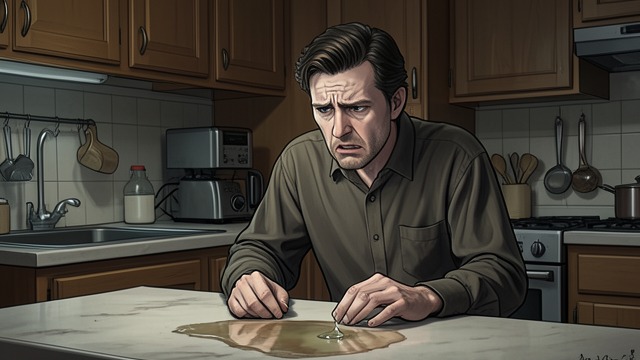
A Tiny Spill
A small event expands
Naoki Higashida describes spilling even a drop of water as a mistake that can overwhelm him. Although he knows the error is small, his mind can stop working clearly.
The approaching wave
The mistake rushes toward him like a tsunami, making it hard to distinguish an appropriate response from an inappropriate one. The visible scale of the event does not match the intensity of his internal alarm.
Escape Through Outburst
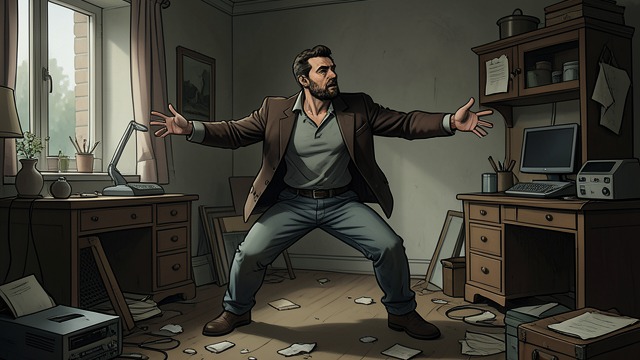
Escape Through Outburst
Reactions break through
When swallowed by shock, Naoki Higashida may cry, scream, throw things, or hit out. He describes these actions as attempts to escape the situation rather than calculated choices.
Shame after calm
Once he returns to himself, he sees the damage and hates himself for it. The aftermath adds self-blame to the original distress, deepening the need for compassionate support.
Helplessness Accumulates
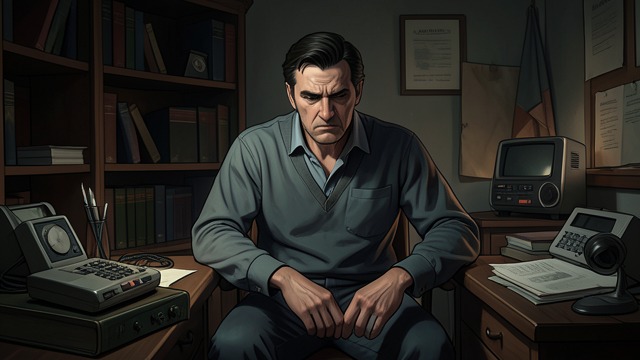
Helplessness Accumulates
Complex feelings unseen
Naoki Higashida argues that childish-looking behavior does not mean childish feelings. Autistic people can experience subtle emotions while lacking an easy way to express them.
Pressure without an outlet
Being trapped in an unresponsive body and unable to explain what is happening can make survival feel like a struggle. This accumulated helplessness can trigger panic even when familiar external causes are absent.
Memories Reopen Pain
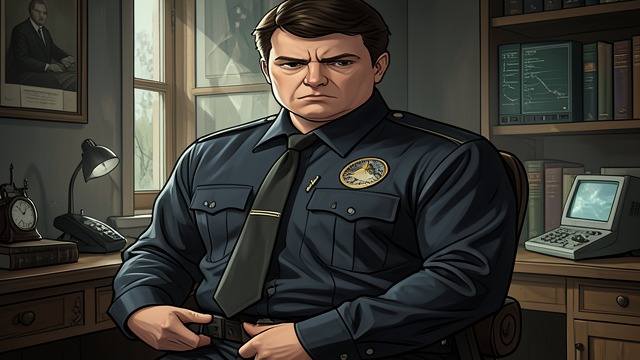
Memories Reopen Pain
The past returns
Fragmented memories can bring old emotions into the present with little warning. Distress around grooming or other experiences may be connected to a negative memory rather than only to physical sensation.
Pain made hard to read
Some people show intense distress, while others cannot keep signs of pain visible. Outsiders may therefore underestimate what is happening or misunderstand its source.
Staying Close and Safe
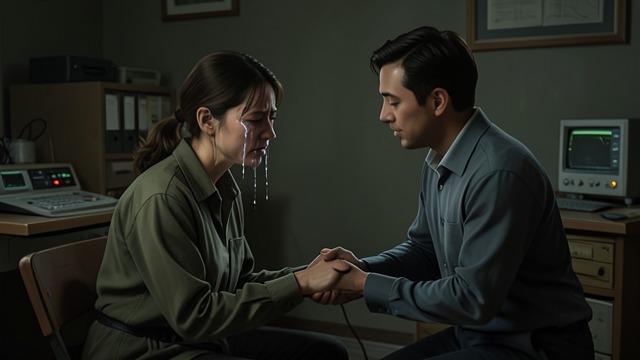
Staying Close and Safe
A requested response
Naoki Higashida asks people nearby to let the person cry or yell while staying close and keeping a gentle eye on them. He recognizes that safety may require preventing harm to the person or others.
Support through the crisis
The request combines acceptance of the emotional release with practical care. A meltdown is treated as an experience to accompany, not a performance to punish.
in the answer about mistakes
immediately after an overwhelming mistake
in the final answer about panic and meltdowns
in the answers about flashbacks and pain
at the close of the meltdown discussion
